|
Home Up
Paintball Guns
Military Simulation,
BT Paintball,
Tippmann,
RAM4,
Mars LT,
Zeus G2,
Miltec,
War Sensor,
Splatmatic,
Auto- Ordnance,
Paintball Pistols,
Paintball Accessories,
Ariakon,
WWII Kits and Helmets,
Paintballs
Airsoft Guns
Tokyo Marui,
Classic Army,
KSC,
Hudson,
Marushin,
Maruzen,
Western Arms ,
Airsoft Minis,
Spring Guns,
Olympic Arms,
Chinese AEG's
Pellet Guns
.177 & 22 Calibers & Accessories
Action figures
DID Figures
Dragon,
GI Joe,
Bluebox Toys,
Sideshow Toys,
Marx Toys, In
the Past Toys, Medicom
Tactical Gear
Ghillie Suits & Camo,
Blackhawk,
CQB Solutions,
Mil-Force,
Hydrastorm,
Hellstorm,
Holsters,
Goggles, Wiley-X Eyeware,
Leapers
Swords & Knives
Blackhawk Knives,
Fantasy & Military reproduction
swords, daggers
& knives
Rifle Scopes & Accessories
Rifle Parts &
Mounts, Zos Rifle Scopes, Gun Cases,
Scope Rings, Spotting Scopes
Surplus & Re-enactor Supplies
Prop Guns,
Field Gear,
Insignia,
Surplus
| |
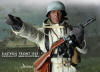
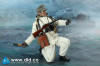
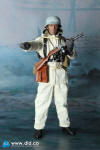
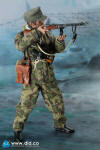
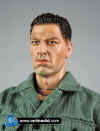
DID

DID
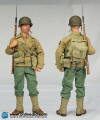
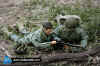
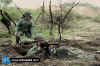
These are about the most
realistic figures I have ever seen! Really Cool!
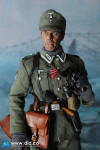
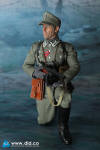
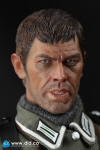
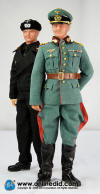
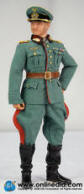
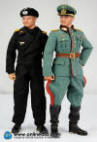
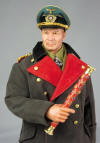
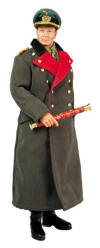
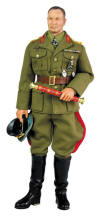
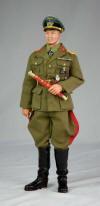
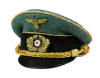
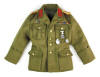
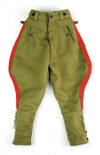
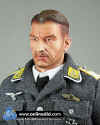
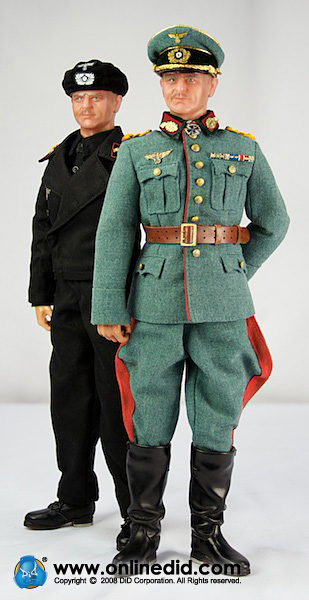
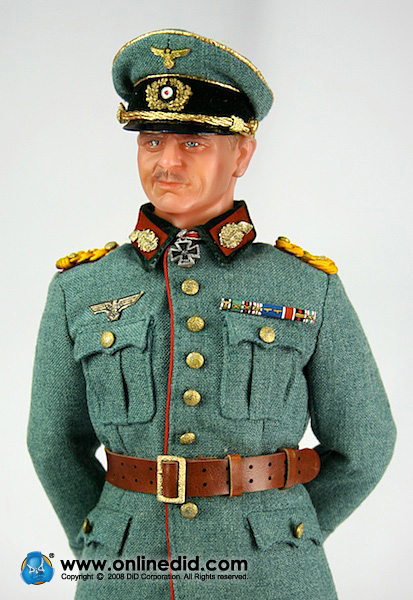
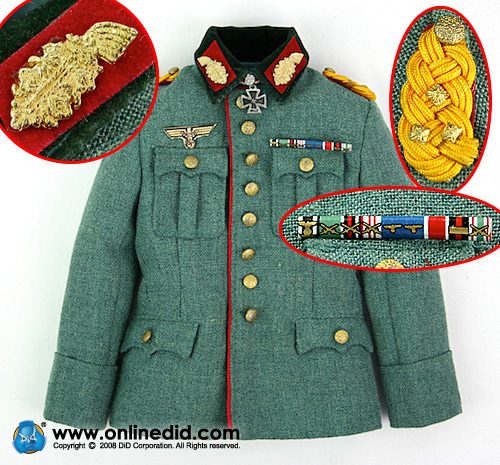
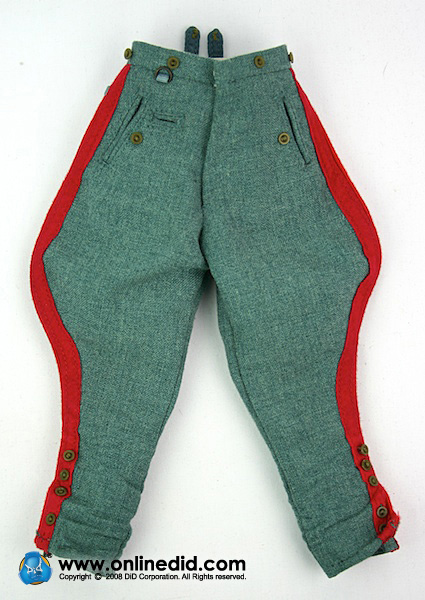
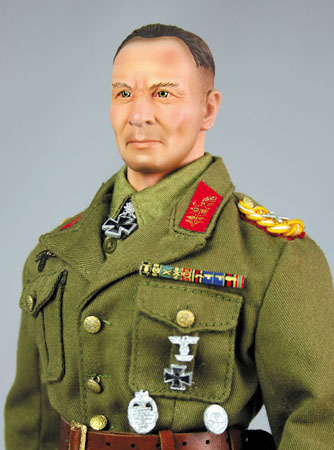
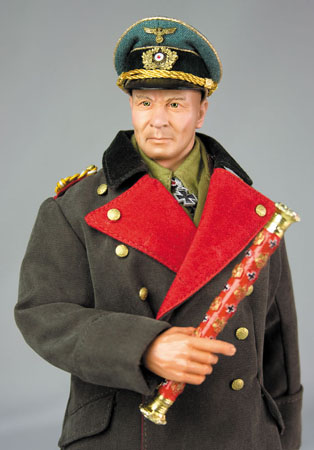
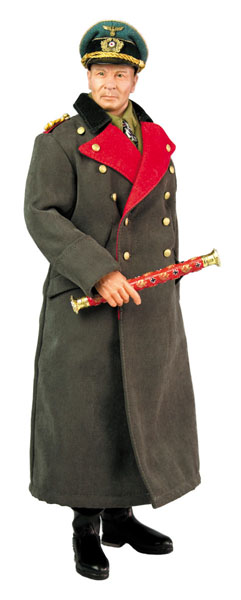
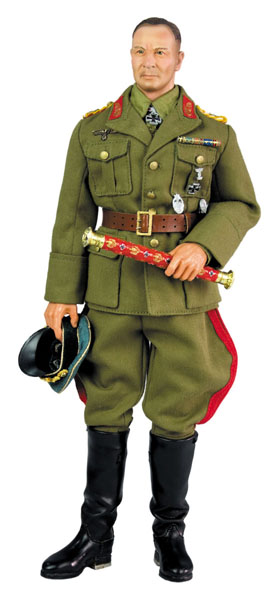
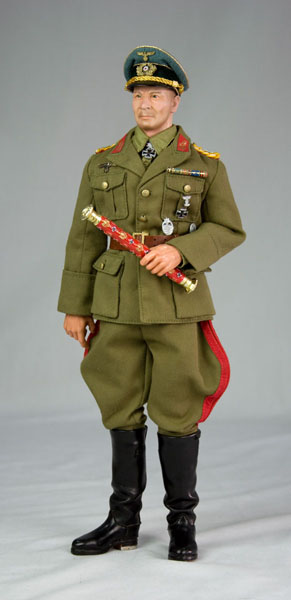
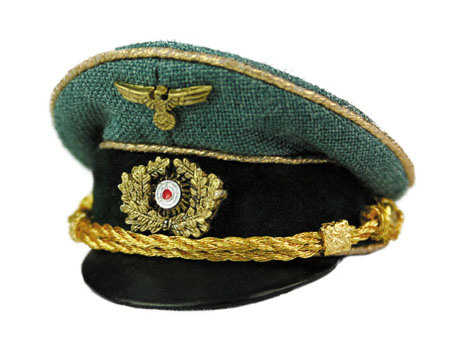
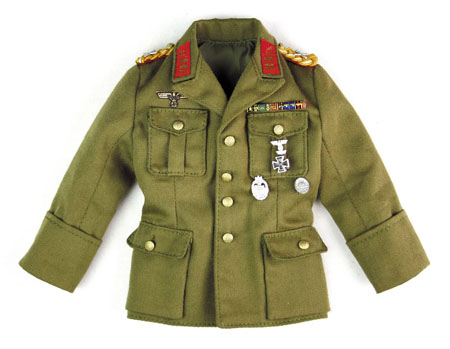
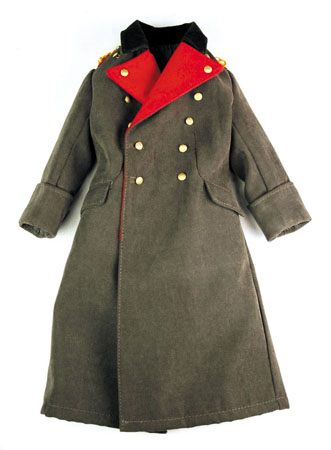
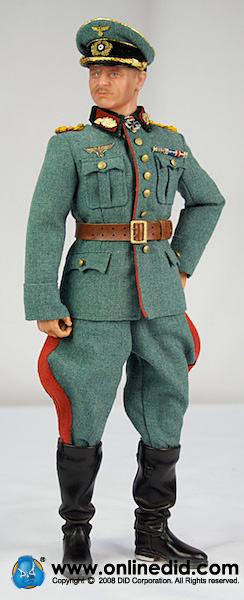
Afrikakorps The Desert Fox/Der
Wustenfuchs “Erwin Rommel” ITEM NO: D80049
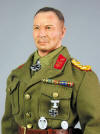
         
Erwin Rommel was born in Heidenheim,
Germany, on 15th November, 1891. He joined the German Army in 1910.
By the outbreak of the First World War Rommel had reached the rank
of lieutenant. He fought on the Western Front and in January 1915
won the Iron Cross. In 1917 Rommel served on the Italian Front and
after leading the attack on Monte Matajur, was promoted to captain.
In October 1935 he was promoted to the rank of lieutenant colonel
and began teaching at the Potsdam War Academy.
An infantry tactics book of Rommel's
lectures was published in 1937 which was read by Adolf Hitler.
Hitler was greatly impressed by Rommel's ideas and arranged him to
command his HQ staff in Austria and Czechoslovakia. After that,
Rommel was given command of the 7th Panzer Division that invaded
France in May, 1940. Rommel's troops moved faster and farther than
any other army in military history.
As a result of his exploits in France
he was promoted to the rank of general. When Benito Mussolini asked
for help in North Africa Adolf Hitler sent Rommel to command the new
Deutsches Afrika Korps and successfully drove the British 8th Army
out of Libya. He moved into Egypt but was defeated at El Alamein.
With the USA Army landing in Morocco and Algeria, his troops were
forced to leave Tunisia.
In the autumn of 1944 Hitler
discovered that Rommel was plotting against him. On 14th October,
1944, Rommel was visited by two generals who had been sent by Hitler
with an ultimatum: suicide with a state funeral and protection for
his family and staff, or trial for high treason. Erwin Rommel took
poison and officially it was stated that he had died of a brain
seizure |
$129.95 |
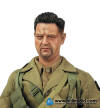
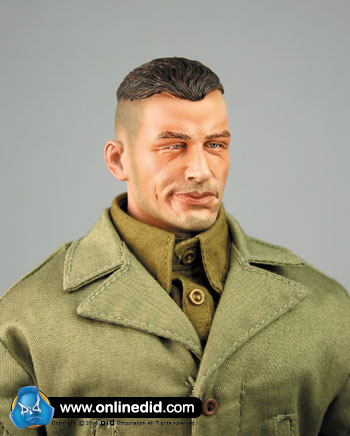
101st Airbourne
"Albert Ross"
ITEM NO: A80048
LIMITED EDITION ONLY 5 FIGURES
AVAILABLE


The regiment was initially formed at
Camp Toccoa, Georgia in 1942 where it earned its nickname, "Currahees,"
after Currahee Mountain located inside the boundaries of the camp.
The Cherokee word, which translates to "Stands Alone," also became
the unit's motto. During World War II, the only commander of the
regiment was Colonel Robert F. Sink. As such, the 506th was
sometimes referred to as the "Five-Oh-Sink." On June 10th, 1942, the
506th became part of the 101st Airbourne Division.
The 506th would participate in three major battles during the war:
D-Day, Operation Market Garden, and the Battle of the Bulge.
Like almost all paratroop units, the 506th was widely scattered
during the Operation Chicago night drop on the morning of D-Day. The
most famous action for the 506th on D-Day was the Brécourt Manor
Assault. Although promised they would be in battle for just 3 days,
the 506th did not return to England for 33 days, participating in
the battle for Carentan. Of about 2000 men who jumped into France,
231 were killed in action, 183 were missing or POWs, and 569 were
wounded - about 50% casualties for the Normandy campaign.
The airbourne component of Operation Market Garden, Operation Garden
was composed of American units (101st Airbourne Division, the 82nd
Airbourne Division, and the IX Troop Carrier Command), British units
(1st Airbourne Division) and Polish units (1st Independent Parachute
Brigade). The airbourne units were dropped near severeal key bridges
along the axis of advance of the ground forces, Operation Garden,
with the objective of capturing the bridges intact in order to allow
a deep penetration into German occupied Holland and to capture the
key bridge crossing the Rhine River at Arnhem.
The 101st Airbourne was assigned five bridges just north of the
German defensive lines northwest of Eindhoven. The parachute drop
was in daylight resulting in well targeted and controlled drops into
the designated drop zones. The 101st captured all but one bridge,
the one at Son which was destroyed with explosive by the German
defenders as the airborne units approached the bridge (the units
were of the 82nd Airbourne). The ground forces of XXX Corps linked
up with elements of the 101st Airbourne on the second day of
operations but the advance of the ground forces was further delayed
while engineers erected a Bailey Bridge at Son replacing the
destroyed bridge. XXX Corps then continued its advance into the 82nd
Airbourne area of operations where it was halted just shy of Arnhem
due to German counter attacks along the length of the deep
penetration.
The 101st Airbourne continued to support XXX Corps advance during
the remainder of Operation Market Garden with several running
battles over the next several days.
The unit was put back on the line on April 2nd, and continued so
until the rest of the war, taking light casualties. It assisted in
the encirclement of the Ruhr Pocket and the capture of Berchesgarden.
The 506th began training to be redeployed to the Pacific War but the
war ended in August 1945. |
$199.95 |
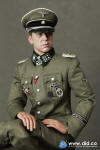
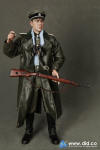
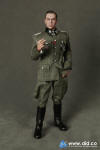
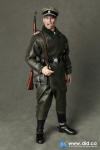
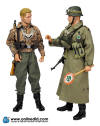
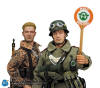
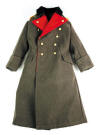
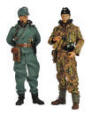
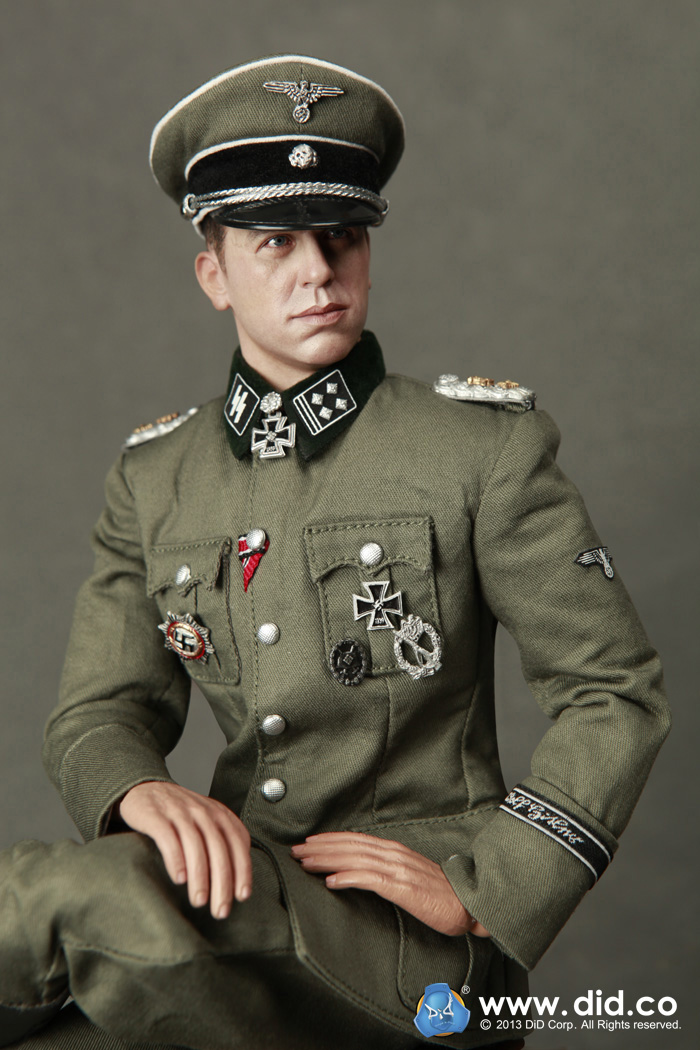
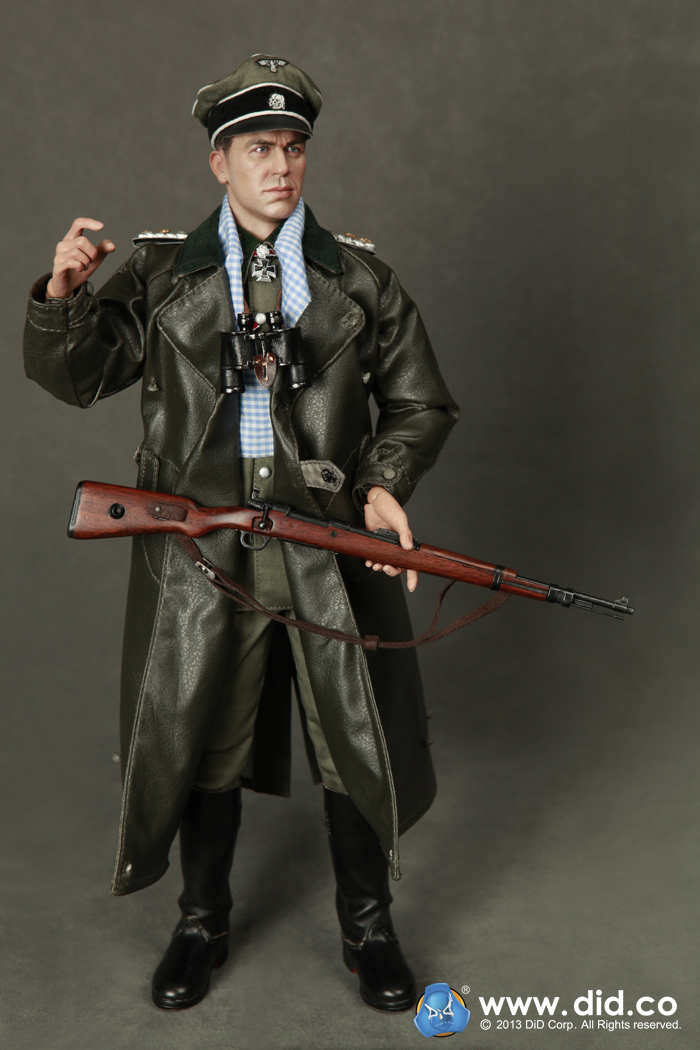
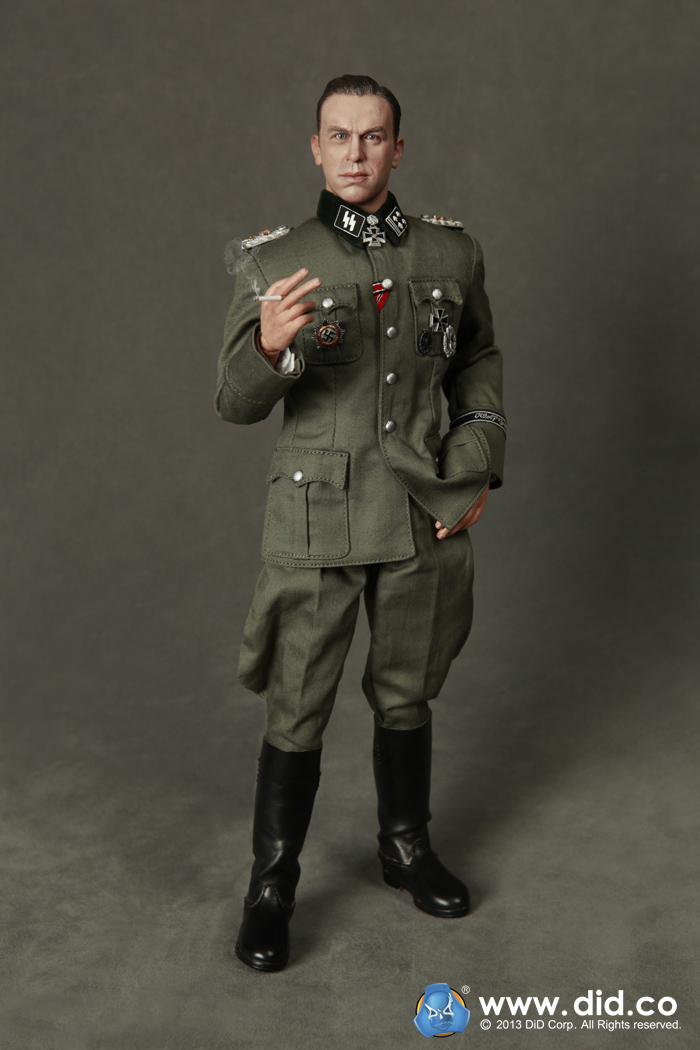
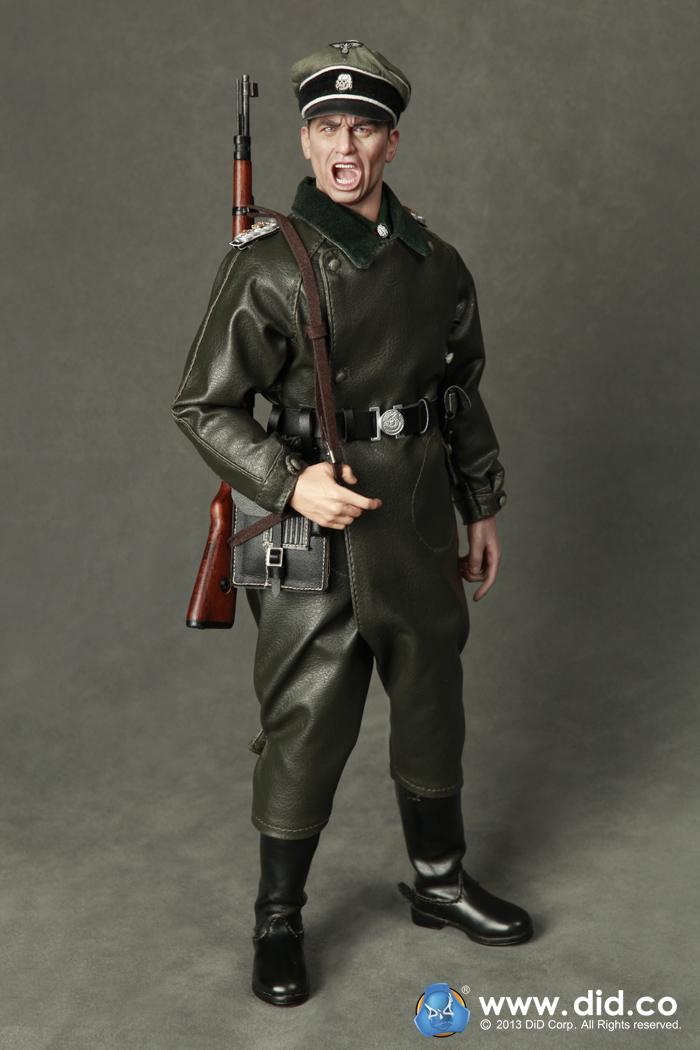
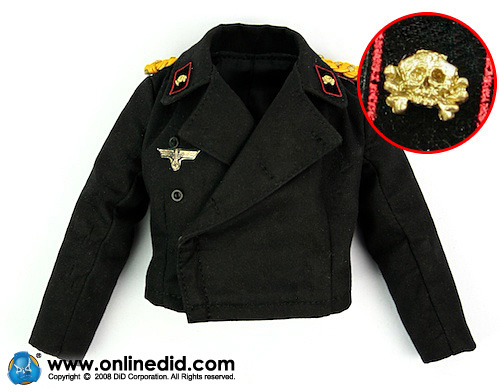
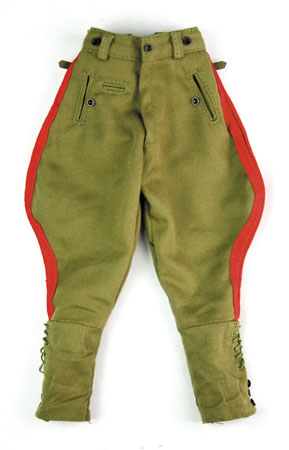
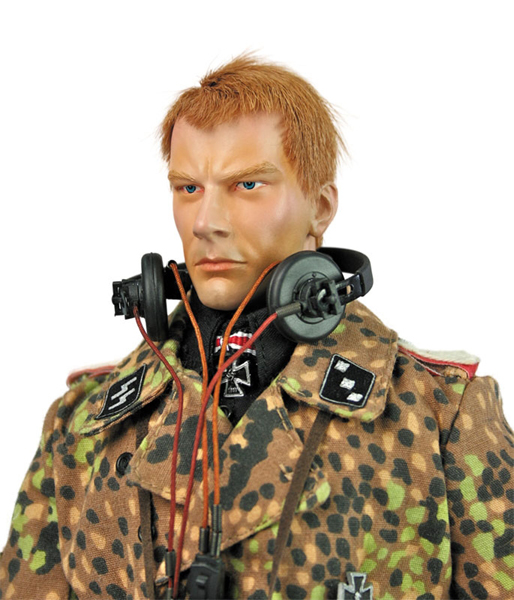
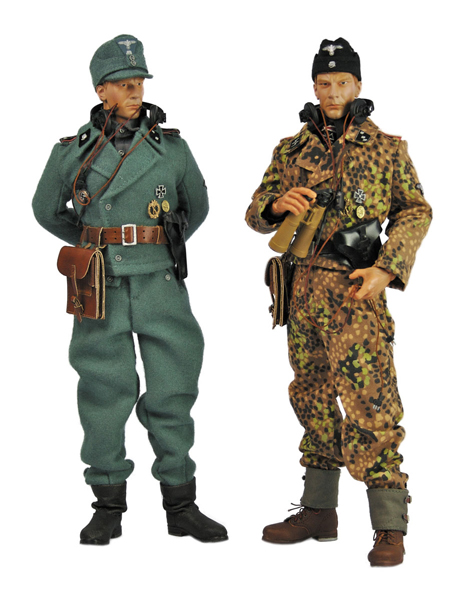
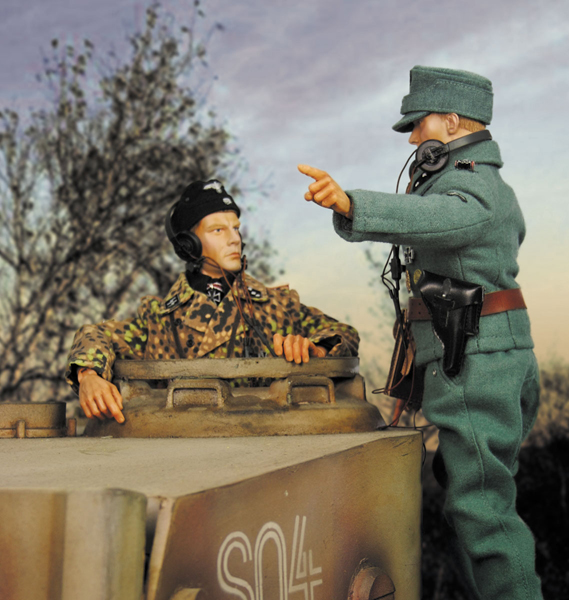
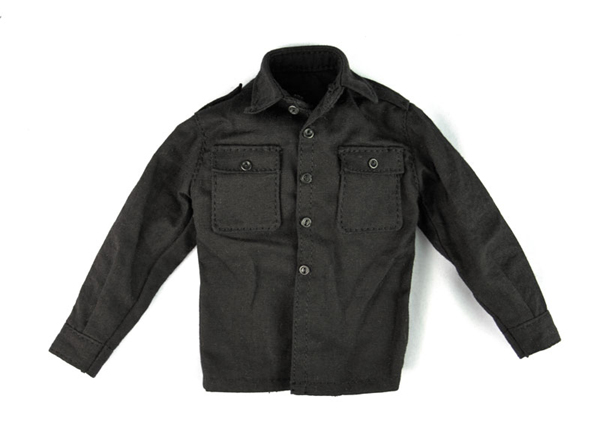
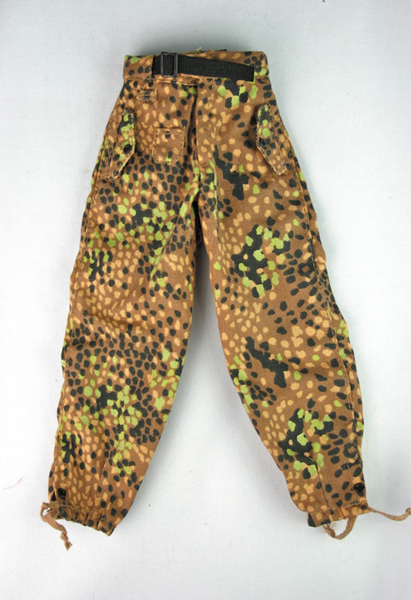
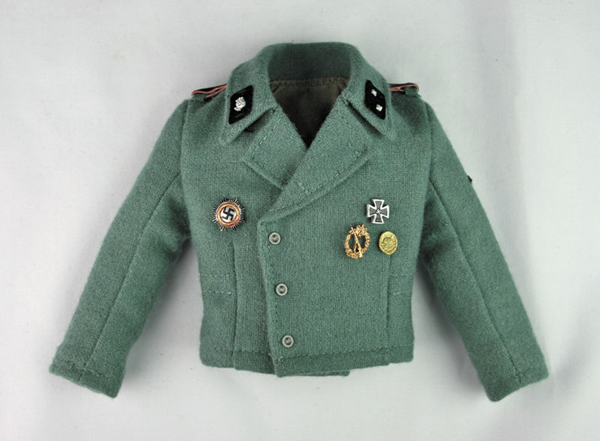
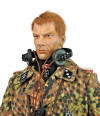
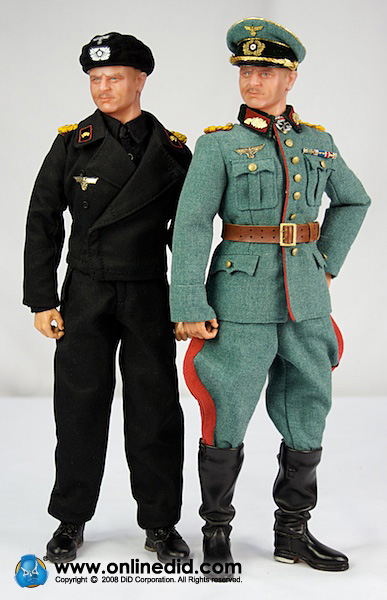
s.SS-PANZER-ABTEILUNG 101
"Tim Becker"
ITEM NO: D80033
 |
$84.95
|
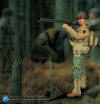
US 5th Ranger Battalion –
NORMANDY 1944
"David Merrill"
ITEM NO: A80046


The Fifth Ranger Infantry Battalion was a World War II Ranger
battalion activated on September 1, 1943 at Camp Forrest, Tennessee.
By this time, while in maneuvers on the United States, they were
commanded by the Major Owen Carter. Later, when they moved to
England, they began to be commanded by Major (later Lieutenant
Colonel) Max Schneider, former executive officer of the 4th Ranger
Battalion, who led the 5th Rangers as part of the provisional Ranger
Assault Force commanded by Colonel James Earl Rudder.
During the Battle of Normandy, the battalion landed on Omaha Beach
along with companies A, B and C of the 2nd Ranger Battalion, where
elements of the 116th Regiment of the 29th Infantry Division were
pinned down by murderous machinegun fire and mortars from the
heights above. It was there that the situation was so critical that
General Omar Bradley was seriously considering redirecting
reinforcements to other areas of the beachhead. And it was then and
there that General Norman Cota, Assistant Division Commander of the
29th Infantry Division, gave the now famous order that has become
the motto of the 75th Ranger Regiment: "Rangers, Lead The Way!"
The Fifth Battalion Rangers broke across the sea wall and barbed
wire entanglements, and up the pillbox-rimmed heights under intense
enemy machine-gun and mortar fire and with A and B Companies of the
2nd Battalion and some elements of the 116th Infantry Regiment,
advanced four miles to the key town of Vierville, thus opening the
breach for supporting troops to follow-up and expand the beachhead.
Meanwhile C Company of the 2nd Battalion, due to rough seas, landed
west of the Vierville draw and suffered 50 percent casualties during
the landing, but still scaled a 90-foot cliff using ropes and
bayonets to knock out a formidable enemy position that was sweeping
the beach with deadly fire.
The Fifth Battalion with elements of the 116th Regiment finally
linked up with the beleaguered 2nd Battalion on D+3, although
Lieutenant Charles Parker of A Company, 5th Battalion, had
penetrated deep behind enemy lines on D-Day and reached the 2nd
Battalion with 20 prisoners. Later, with the 2nd Battalion the unit
distinguished itself in the hard-fought battle of Brest. Under the
leadership of Lieutenant Colonel Richard Sullivan the 5th Ranger
Battalion took part in the Battle of the Bulge, Battle of Huertgen
Forest and other tough battles throughout central Europe, earning
two Distinguished Unit Citations and the French Croix de Guerre. The
outfit was deactivated October 22 1945 at Camp Miles Standish,
Massachusetts.
|
$84.95 |
HJ - Hitler Jugend "Hermann
Weber"
ITEM NO: D80043

The Hitler Youth was founded in 1922 as
the Jungsturm Adolf Hitler. The group was based in Munich, Bavaria,
and served as a recruiting ground for new Stormtroopers of the SA.
The group was disbanded in 1923 following the abortive Beer Hall
Putsch but was re-established in 1926, a year after the Nazi Party
had been reorganized.
In April 1932 the Hitler Youth (as part of the SA) was banned by
Chancellor Heinrich Brüning to stop the widespread political
violence. But by June the ban was already lifted by his successor
Franz von Papen as a way to appease Hitler. Then in 1933, Baldur von
Schirach served as the first Reichsjugendführer (Reich Youth Leader)
and devoted a great deal of time, finances, and manpower into the
expansion of the Hitler Youth. By 1930, the group had over 25,000
members with the Bund Deutscher Mädel (BDM) (League of German Girls,
for girls aged from fourteen to eighteen). The Deutsches Jungvolk
was another Hitler Youth group, intended for still younger children,
both boys and girls.
The Hitler Youth was organized into corps under adult leaders, and
the general membership comprised boys aged fourteen to eighteen.
After 1938, the Hitler Youth was a compulsory organization,
mandatory for all young German men. The group was also seen as a
recruiting ground for several Nazi Party paramilitary groups, with
the Schutzstaffel (the SS) taking the most interest in the Hitler
Youth. Members of the HJ were particularly proud to be bestowed with
the single Sig Rune (victory symbol) by the SS. The SS utilized two
Sig Runes as their mark, and this gesture served to symbolically
link the two groups.
In 1940, Artur took over leadership of the Hitler Youth. Axmann
began to reform the group into an auxiliary force which could
perform war duties. By 1943, Nazi leaders began turning the Hitler
Youth into a military reserve to draw manpower which had been
depleted due to tremendous military losses. In 1943, the
12.SS-Panzer-Division Hitlerjugend, under the command of SS-Brigadeführer
Fritz Witt, was formed. The Division was a fully equipped Waffen-SS
panzer division, with the majority of the enlisted cadre being drawn
from Hitler Youth boys between the ages of sixteen and eighteen. The
division was deployed during the Battle of Normandy against the
British and Canadian forces to the north of Caen. During the
following months, the division earned itself a reputation for
ferocity and fanaticism.
The Hitler Youth was disbanded by Allied authorities as an integral
part of the Nazi Party. Some members of the Hitler Youth were
accused of war crimes; however, as the organization was staffed with
children, no serious efforts were made to prosecute these claims.
While the entire Hitler Youth was never declared a criminal
organization, the Hitler Youth adult leadership corps was deemed to
have committed crimes against peace in corrupting the young minds of
Germany. Many top Hitlerjugend leaders were put on trial by Allied
authorities, with Baldur von Schirach sentenced to twenty years in
prison. Schirach was convicted on crimes against Humanity for his
actions as Gauleiter of Vienna, not his leadership of the Hitler
Youth.
|
$69.95 |
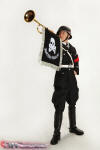
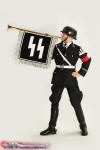
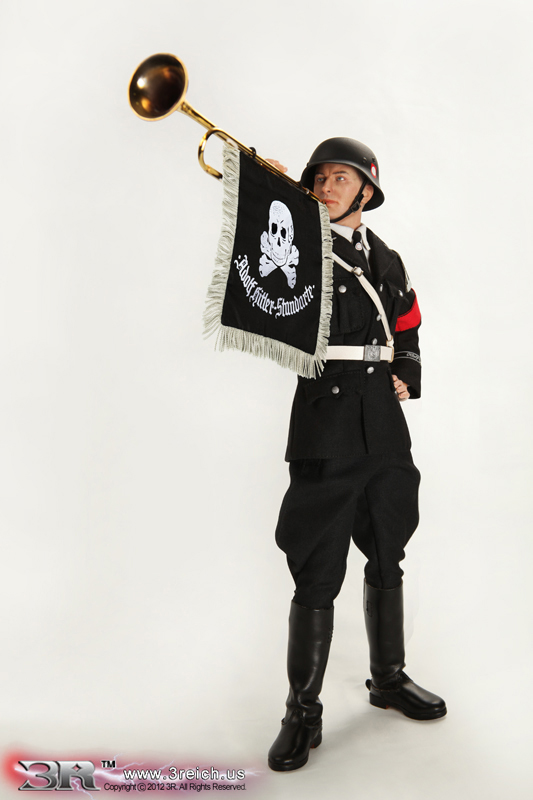
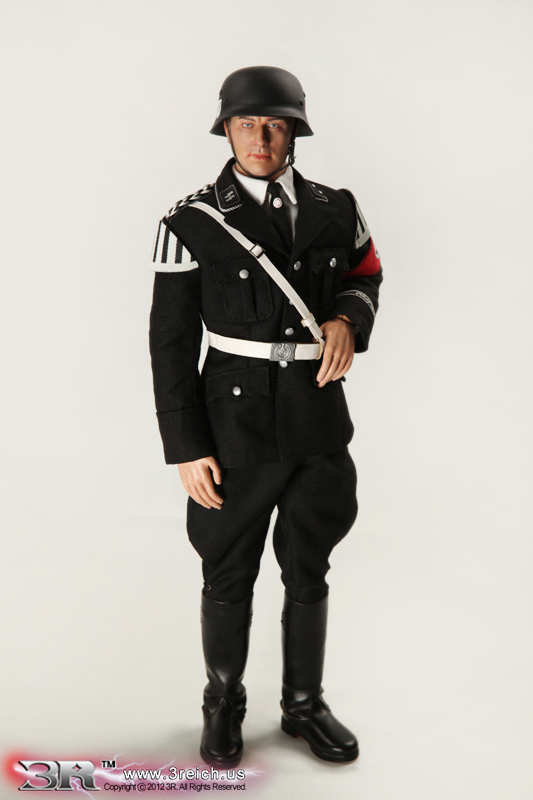
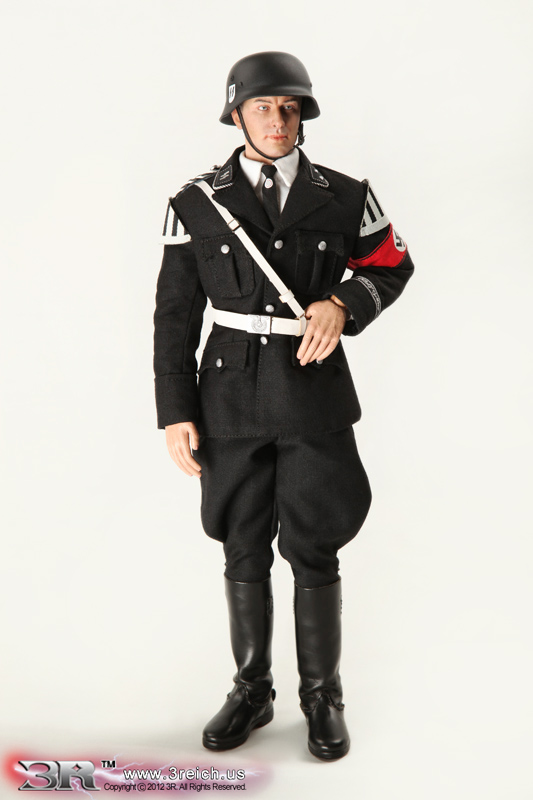
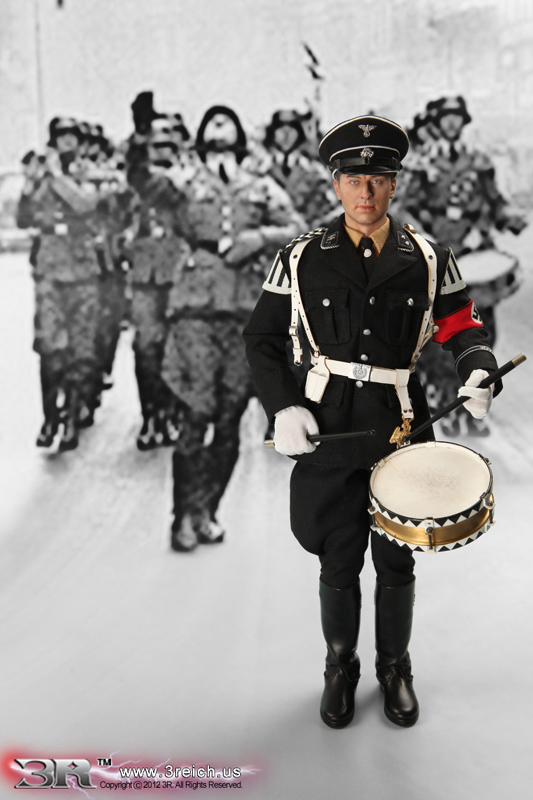
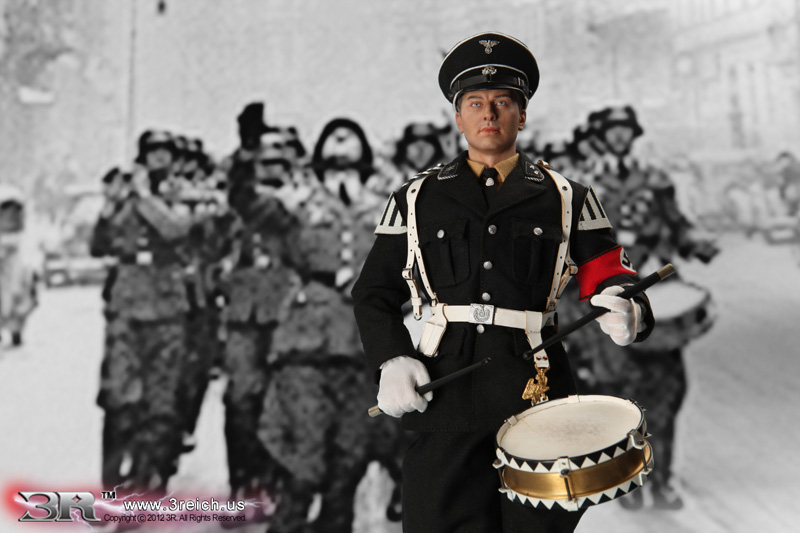
| "Willi Baver"
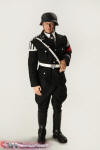
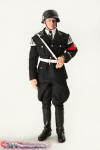
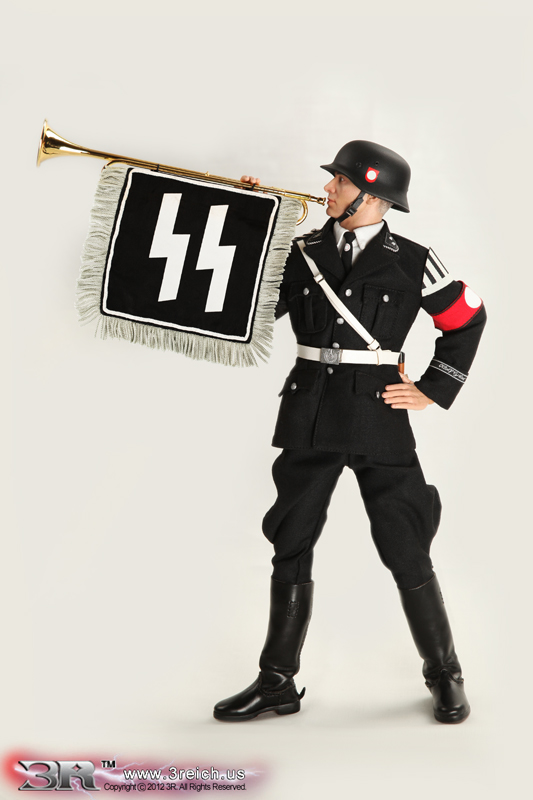
ALLGEMEINE-SS(CEREMONIAL GUARD) ITEM NO: D80040


The SS was created on April 4, 1925 and
subordinated to the SA on November 1, 1926. It was thus a subunit of
the SA and the NSDAP. It was considered to be an elite organization
by both party members and among the general population.
The main task of the SS was the personal protection of the Führer of
the Nazi Party, Adolf Hitler. After the so-called Machtergreifung by
the National Socialists, the SS began to expand into a massive
organization: By March 1933 it included over 52,000 registered
members. By December 1933 the SS had increased to over 204,000
members and Himmler ordered a temporary freeze on recruitment.
In August 1934, Himmler received permission from Hitler to form a
new organisation from the SS Sonderkommandos and the Politischen
Bereitschaften, the SS-Verfügungstruppe (SS-VT).
During this period the SS was reorganized, with the creation of the
Allgemeine-SS as a result. The new organization grew quickly
achieving peak membership in 1938, with 485,000 members. At that
time, of the 13,867 active SS-Führer only 1,144 or 8.3% did not
belong to the NSDAP.
A second decree from Hitler on May 18, 1939 merged the
Totenkopfverbände into the Allgemeinen-SS, adding 50,000 new members
to the organization.
By August 1939 there were 485,000 members of the Allgemeine-SS
(including 180,000 men in the so-called "Reserve-Standarten").
Approximately 170,000 were called up for service in the Wehrmacht
and 35,000 others into the Waffen-SS. Only the 100,000 full-time SS
leaders in the main offices had been exempted from the military
service. Here the actual history of the Allgemeine-SS ends, since
the war would ensure that the Waffen-SS would completely eclipse the
Allgemeine-SS, both in size and importance. But the main offices of
the Allgemeine-SS, which were originally only staff departments of
the SS main office (the so-called Reichsführung-SS) responsible for
the coordinating the day-to-day operations of the Allgemeine-SS,
were officially responsible for the members of the Waffen-SS also in
the war years.
Towards the end of the war in 1945 the Gesamt-SS had over 840,000
members. From these 48,500 were members of the Allgemeine-SS. Much
of the remainder was comprised of 18,000 officers, 52,000 NCOs, and
600,000 enlisted members of the Waffen-SS and 130,000 police. SS
membership numbers were formally lent to the members of the Waffen-SS
of all ranks, while SS membership was also automatically lent to
police officers.
|
$64.95
Sold Out |
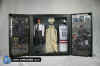
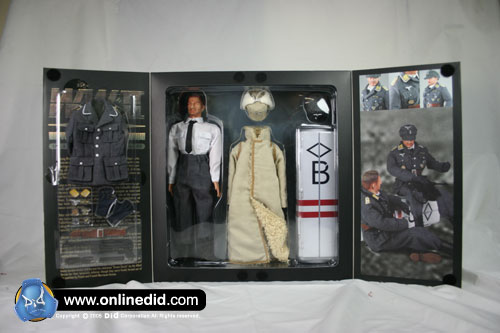
| Der Fuhrer Adolf Hitler
Limited to 1500 figures

This is the best Hitler figure I have
seen, loaded with accessories. He comes with two head sculpts and
two complete uniform sets, his mustard yellow uniform and the formal
dress grey uniform. Both uniform sets have matching peak hats. Comes
with two long coats and lots of little accessories |
$149.95 |
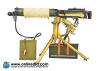
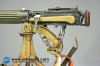
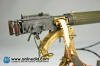
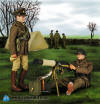
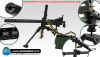
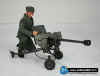
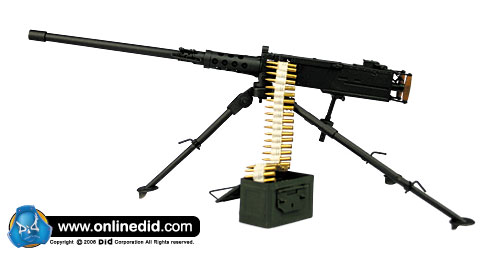
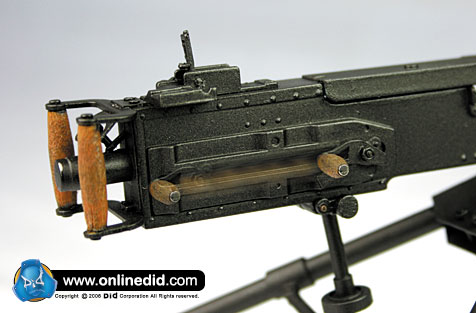
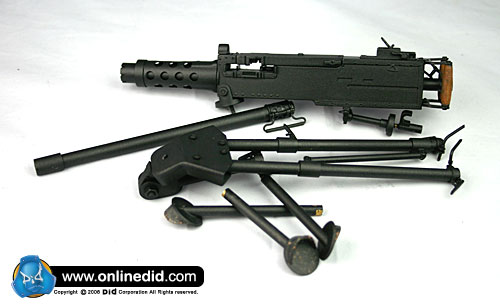
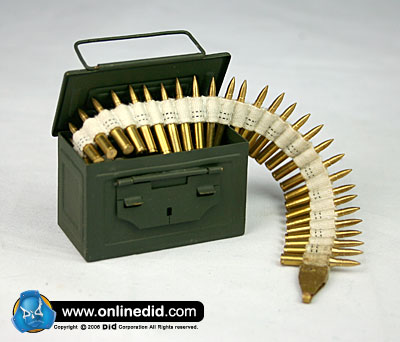
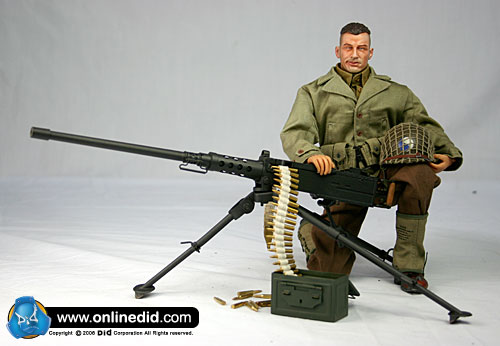
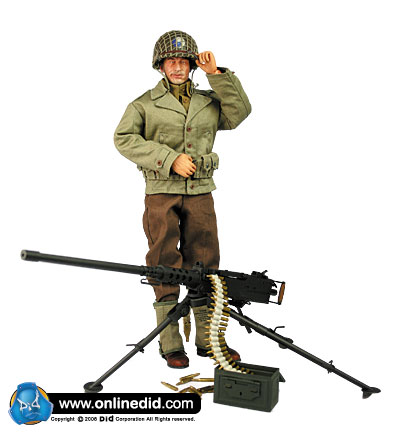
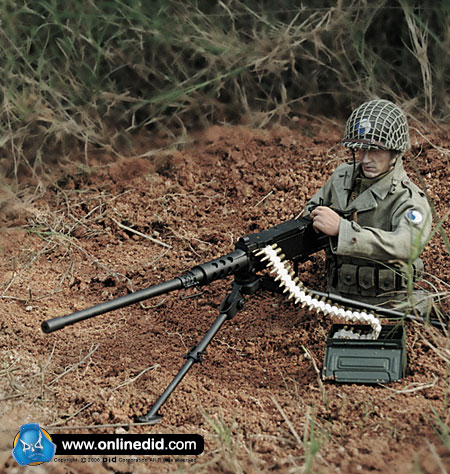
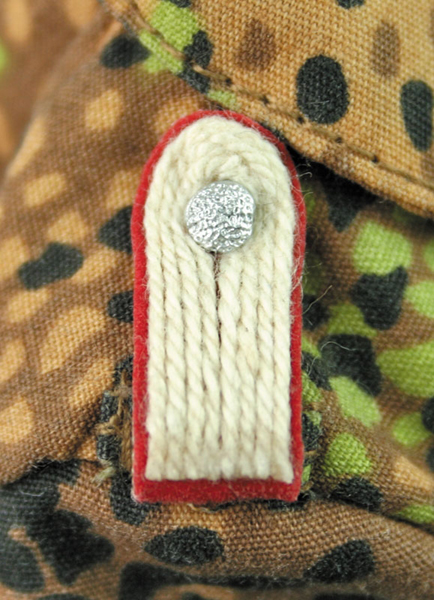
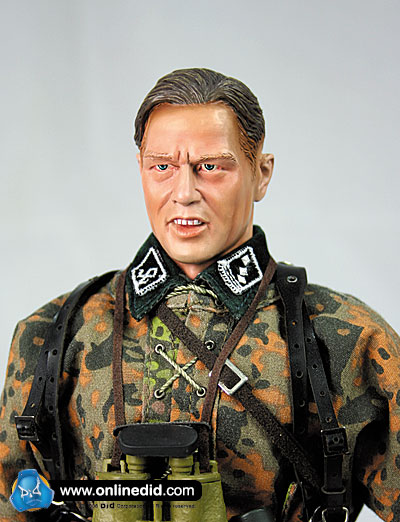
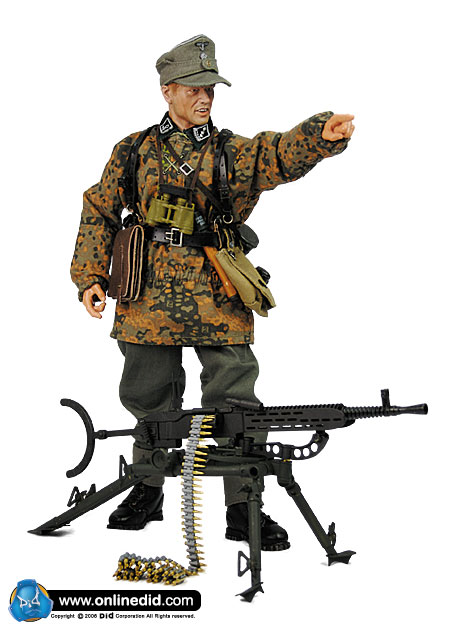
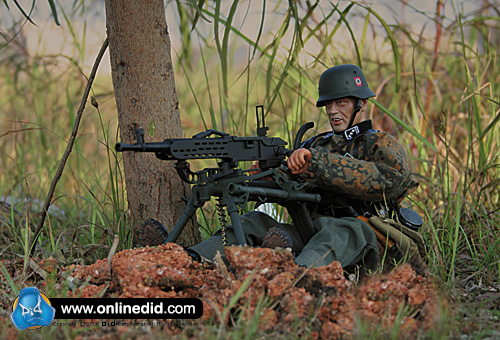
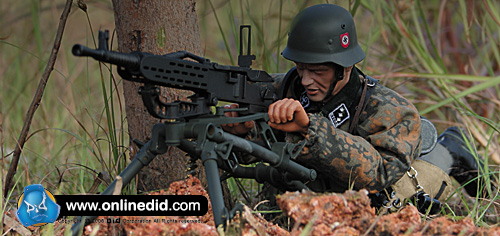
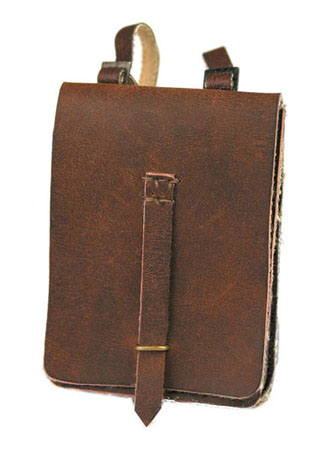
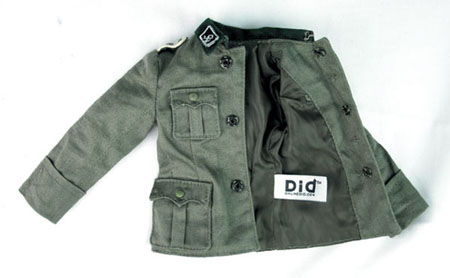
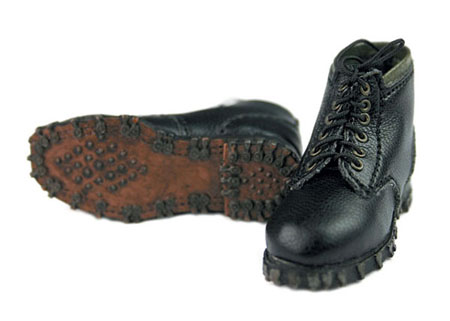
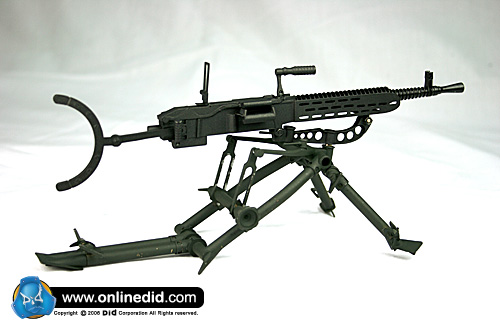
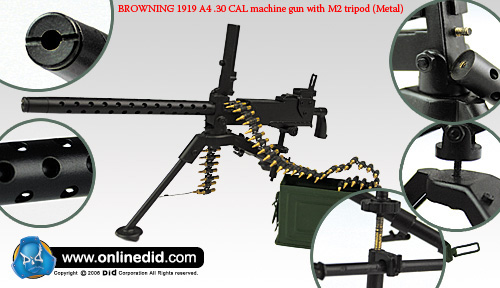
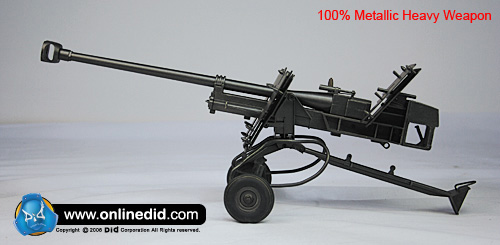
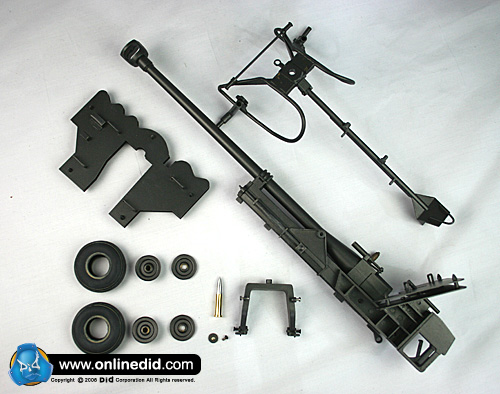
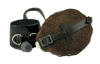
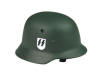
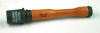
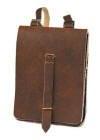
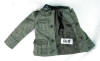
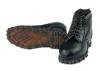
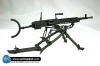
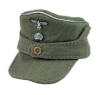
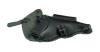
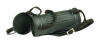
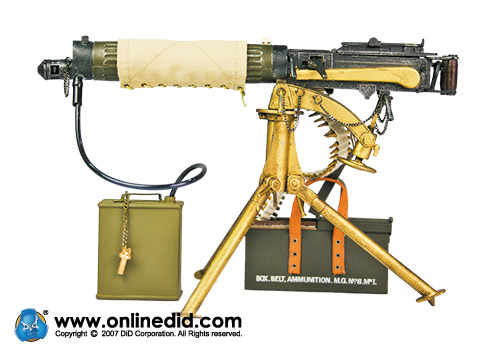
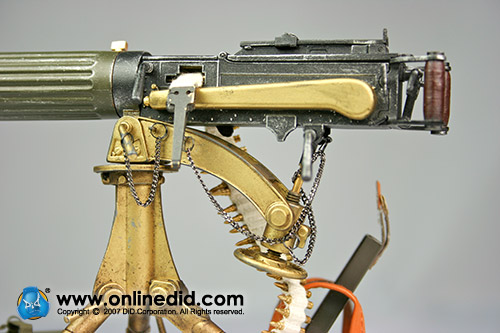
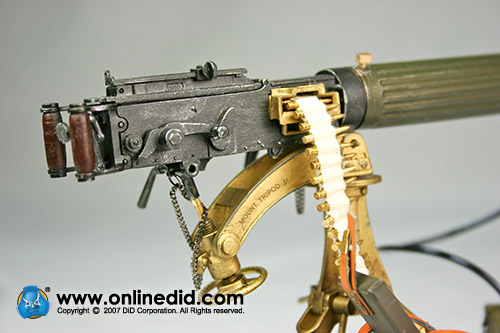
| This guy is loaded with
gear, I couldn't picture everything. The machine gun is completely
metal as is the tripod for it. There are multiple sets of hands in
different positions. One of the best figures I have seen.
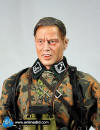
      
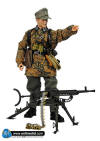
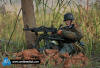
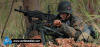
      
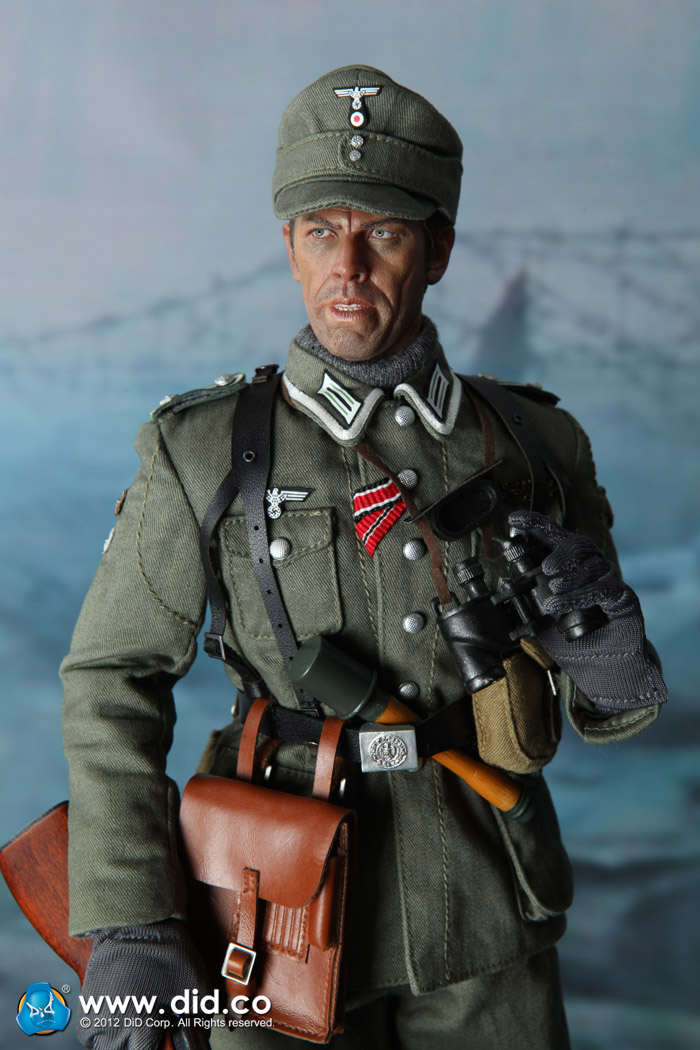
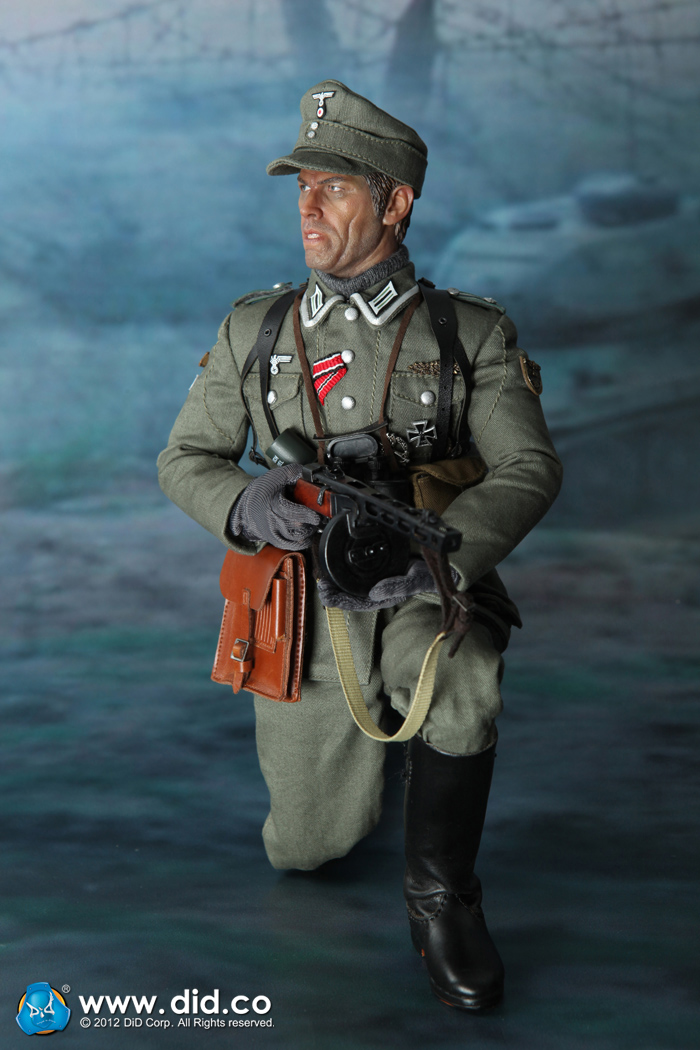
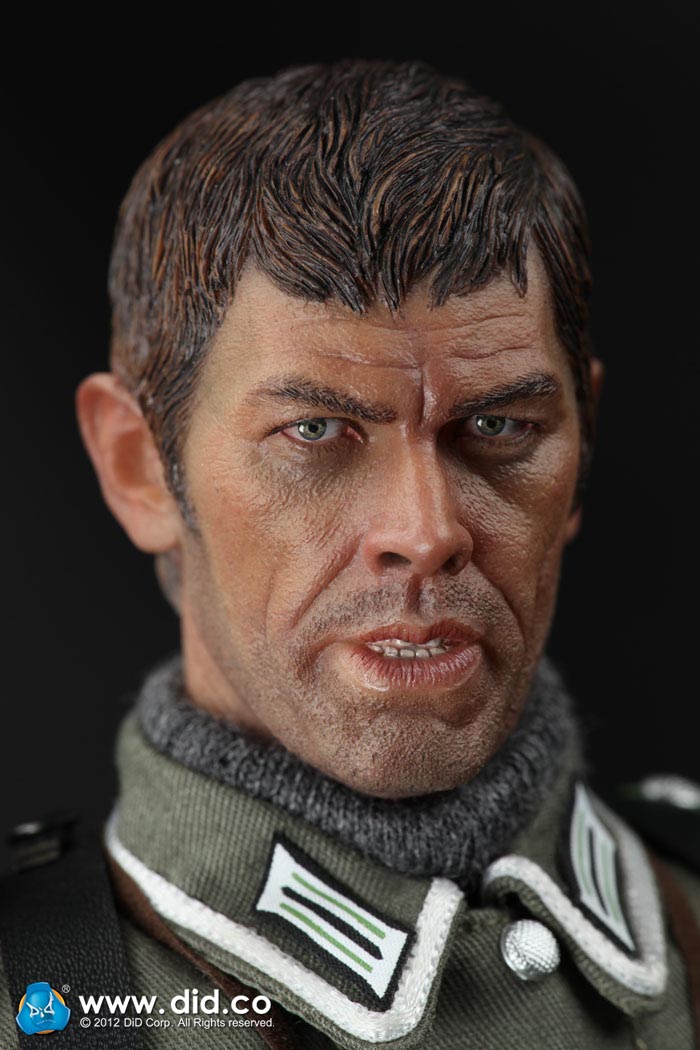
SS-Freiwilligen-Gebirgs
Division “Prinz Eugen”
SS-Obersturmführer - Herbert Zeller ITEM NO:
D80041
The Division was formed in March 1942
by volunteers but this later changed when conscription was
introduced. The unit itself was formed by a SS Selbstschutz (SS
Protection Force) and the Einsatz-Staffel (ES) (Also called Prinz
Eugen) from Croatia and named SS-Freiwilligen-Division Prinz Eugen.
The Gebirgs Division was formed in
autumn 1942 when it gathered some 21,500 soldiers. Its weaponry was
mainly composed of captured equipment such as Czech machine guns and
French light tanks It was designated to the Balkans as an
anti-partisan mountain division – the fist such division in
Yugoslavia since 1941.
The first actions Prinz Eugen
participated near the Serbian-Montenegro border in the mountains
east of the Ibar River. Prinz Eugen advanced alongside the 1.
Gebirgs-Division, elements of the “Brandenburg” Regiment, 369. (Kroatische)
Infanterie-Division, 118. Jäger-Division and 104. The Division was
reorganized on 22 October 1943 and was renamed to 7. SS-Freiwilligen-Gebirgs-Division
Prinz Eugen. The next big offensive, in which Prinz Eugen
participated, was the assault on Drvar, codenamed Rosselsprung,
which began on 25 May 1944. The goals of this operation were to kill
or capture Tito on the Drvar island with the SS-Fallshirmjäger-Bataillon
500, the 1. Brandenburg Regiment of the Division Brandenberg and
other units with a massive support of the Luftwaffe.
On 21 September l944, it was at that
time that the division saw action in one of the most crucial
operations in the Balkans so far. Linking up with 13.
Waffen-Gebirgs-Division der SS Handschar (kroatische Nr. 1) the
remnants of the 23. Waffen-Gebirgs-Division der SS Kama (kroatische
Nr. 2) and 21. SS Waffen-Gebirgs-Division der SS Skanderbeg (albanische
Nr. 1), Prinz Eugen created the Vardar corridor in Macedonia
allowing the retreat north of 350,000 German soldiers from
occupation duties in the Aegean and Greek regions.
In the beginning of November the "SS
Skanderberg" Division was disbanded and its remnants incorporated
into the 14. Regiment of Prinz Eugen, which received its honour
title "Skanderbeg". The fighting around Nisch in October caused the
unit some heavy casualties and the 7th SS was sent for refreshing.
In January 1945 the Division once again fought the Red Army and and
Tito’s partisans around Otok and Vukovar. The retreat from Bosnia
continued and Prinz Eugen soon retreated to Croatia in April, where
it was to hold its positions south of Karlovac on 2 May 1945. On 10
May 1945 the Division retreated towards Celje in Slovenia where it
surrendered on 11 May 1945 to Yugoslav forces. |
$64.95 |
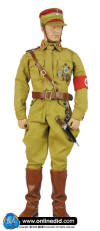
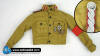
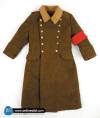
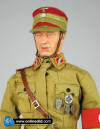
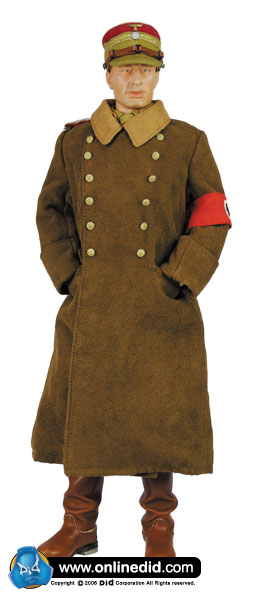
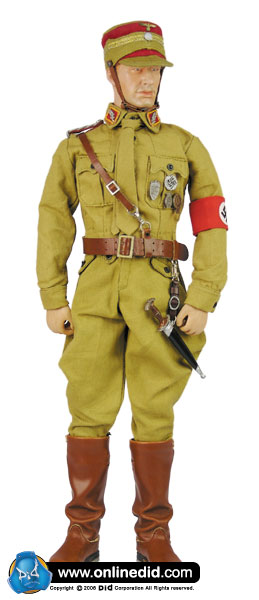
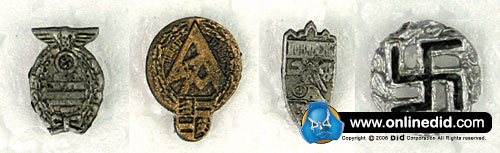
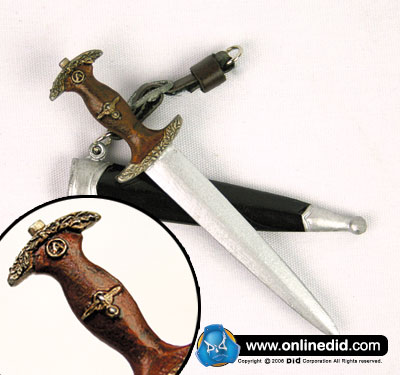
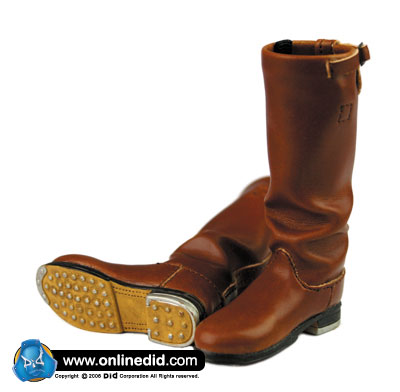
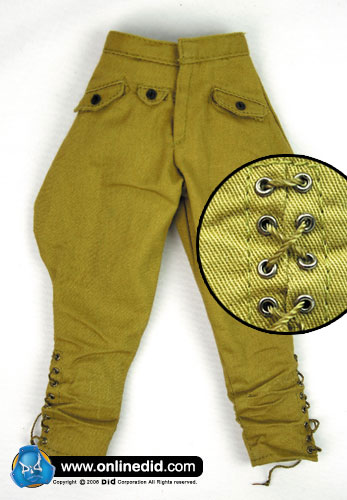
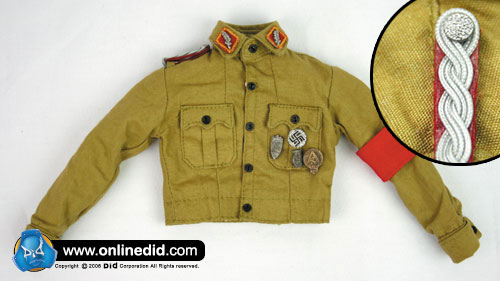
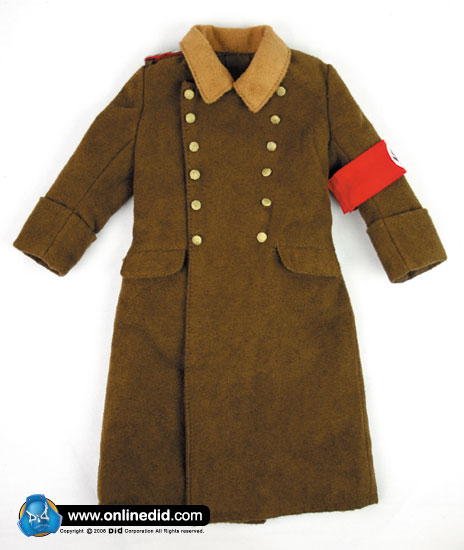
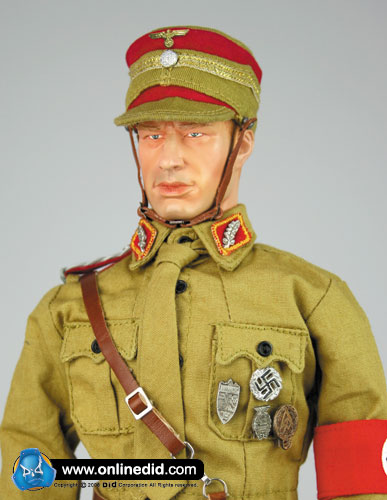
| SA Sturmabteilung
"Otto Bittman" ITEM NO: D80037
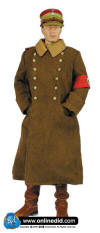
The history of the Sturmabteilung
(SA), often referred to as the "brown shirts", began when the
Rollkommando was formed on1920 to protect the meetings held by the
Deutsche Arbeiter Partei (DAP).
The SA was formally formed on 4th
Nov 1921 following a party meeting when a large number of opponents
attempted to disrupt it but was beaten and thrown out by the men of
the Turn- und Sportabteilung.
At the end of 1921 there was a
conflict between Röhm and Hitler, Röhm wanted to train the SA as an
army but Hitler wanted to use it solely for propaganda and
intimidating opponents.
Klintzsch left the command of the
SA 11 May 1923 to return to Brigade Ehrhardt and was replaced by
Hauptmann Hermann Göring. Göring reorganized the SA according to
military lines and divided it into standarten, sturmbannen and
hundertschaften. AVehrkehrsabteilung was formed in Munich of men
with access to or knowledge cars or motorcycles, this would later
evolve into the NSKK. An elite guard unit, the Stabswache, was also
formed, but it later merged with the Stosstrupp Hitler and later
evolved into the SS.
Hitler took the post as Oberster
SA-Führer personally on 2nd Sep 1930 and the leader of the SA was
now referred to as the Stabschef. Hitler recalled Röhm from Bolivia
and he was made Stabschef 5th Jan 1931.
In 1934 the Nacht der langen Messer
(night of the long knives) ended with Röhm and other SA leaders
carried out by the SS which would take the SA's place as the leading
Nazi organization |
$64.95
|
| SS-Polizei-Division "Rudolf
Anhalt" ITEM NO: D80036

Formed in 1939 at Truppenübungsplatz Wandern as the Polizei-Division.
On 1941 became under the SS, and was officially taken over by the
Waffen-SS on 1942 as the SS-Polizei-Division. On 4.43 began
conversion to a motorized division, when
Polizei-Panzergrenadier-Regiment 1 and 2 were formed in Cracow 1943,
these two regiments were re-designated as SS-Polizei-Panzergrenadier-Division,
while the SS-Polizei-Division still remained in Russia under its old
designation. Both regiments moved to the Balkans in mid 1943, under
Heeresgruppe E. The SS-Polizei-Division finally moved to Saloniki
and truly became a Panzergrenadier-Division with the two new
regiments. A Kampfgruppe Polizei-Division would, however, remain in
Russia and was then united with the rest of the division.
This Division was formed and composed
of members of the Ordnungpolizei. The unit was trained at
Truppen-Unungsplatz Wandern and completed its training in 1940. The
Division was not considered to be an elite SS Division. The Division
was initially held in reserve for the opening of the Campaign in
France. On 1940 the Division first saw action in the crossing of the
Aisne River and Ardennes Canal.
Finally, in January, 1942, the
Division was given "official" Waffen SS status, and its
title was changed to the SS Polizei Division. All of the Divisions
sub-units were then renamed as SS such-and-such, now being a part of
the Waffen SS itself.
From January to March, 1942, the
Division saw action along the Wolchow River and helped in the
encirclement and destruction of the 2nd Soviet Assault Army. In
January and February, 1943, the Division saw action south of Lake
Ladoga during a number of Soviet offensives, with the Division
retreating to west of Kolpino where it held.
The Division itself was reformed as
the 4th SS Polizei Grenadier Division, and after training and
forming, was sent to the Balkans area. Elements of the Division saw
action in Greece on anti-partisan duties, and the Division also
fought near Belgrade. In January, 1945, the Division was pushed into
Slovakia, and from there it was moved North to the Pommerania area
where it once again saw action attempting to hold the Soviets back.
Soon after, the 4th SS was moved to Danzig where it was trapped by
Soviet forces. After dire battle the Division was shipped across the
Hela Peninsula and over sea to Swinemude. From there, the Division
rested, and then moved to postion itself to surrender to the
Americans near Wittenberge-Lenzen.
|
$64.95
|
| US 29th Infantry Division - Blue
and Grey "Charles Winstone"
ITEM NO: A80038
The US 29th Infantry Division was a
United States infantry division that existed during World War I and
World War II.
Nicknamed "Blue and Gray",
the division's motto is "29 Let's Go," taken from General
Eisenhower's inspiring speech to the troops preparing for the
invasion of Normandy. The shoulder patch is a half-blue, half-gray
circlecontaining the nomad, or "yin-yang," Korean symbol
of eternal life; the symbol was approved 14 December 1917 and was
designed by Maj. James Ulio. The uniting of the blue and grey
symbolizes the fact that the division was composed of regiments from
Virginia and Maryland that had fought on both sides of the American
Civil War. It is currently part of the US Army National Guard.
In WWII, the 29th Division was formed
on 3 February 1941 and departed for the United Kingdom on 5 October
1942 where it continued training in Scotland and England from
October of 1942 up to June, 1944 in preparation for the invasion of
France.
Teamed with the US 1st Infantry
Division, the 116th Infantry Regiment of the 29th Division was in
the first assault wave to Teamed with the US 1st Infantry Division,
the 116th Infantry Regiment of the 29th Division was in the first
assault wave to face of intense enemy fire but soon secured the
bluff tops and went on to occupy Isigny on 9 June. The division cut
across the Elle River and advanced slowly toward St. Lo, fighting
bitterly in the Normandy bocage (hedge rows).
The 29th Infantry Division had spent
242 days in combat during campaigns in Normandy, Northern France,
the Rhineland and Central Europe, earning four Distinguished Unit
Citations in the process. Two soldiers of the division were awarded
the Congressional Medal of Honor. Also awarded were 44 DSCs, one
DSM, 854 Silver Stars, 17 Legion of Merit, 24 Soldier's Medal and
6,308 Bronze Stars.
The 29th Division returned to the
United States on January 4, 1946 and was demobilized a fortnight
later.
|
$64.95
|
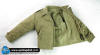
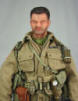
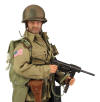
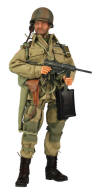
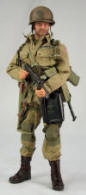
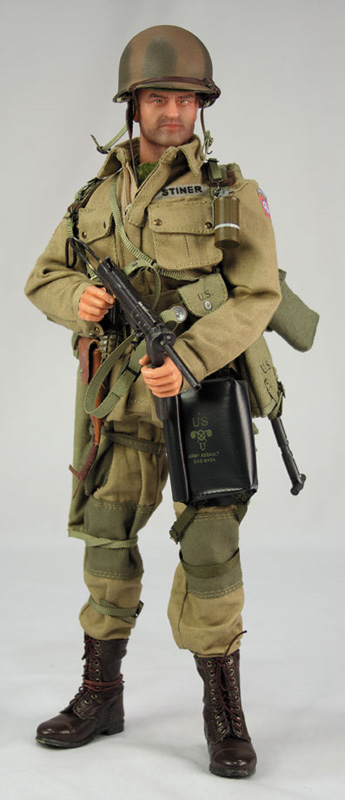
| Ricky Foster DID
A80035
The 101st Airborne Division (Air
Assault) —nicknamed the Screaming Eagles—is an air assault
division of the United States Army mainly trained for air assault
operations.
The division was activated on August
15, 1942 at Camp Claiborne, Louisiana. On August 19, 1942 its first
commander, Major General William C. Lee, promised his new recruits
that the 101st had a "rendezvous with destiny."
During World War II, the Pathfinders
of the 101st Airborne Division led the way on D-Day in the night
drop prior to the invasion. They left from RAF North Witham having
trained there with the elite, veteran 82nd Airborne Division.
On August 2, 1944 the division became
part of the First Allied Airborne Army. As part of this formation it
took part in Operation Market Garden.
During the Battle of the Bulge the
101st, as one of the few forces available to contain the German
advance was rushed forward to defend the vital road junction of
Bastogne. Famously, Brigadier General Anthony McAuliffe answered the
German demand for surrender with the reply "To the German
Commander: NUTS! -The American Commander" and the division
fought on until the siege was lifted and the German advance halted.
For their efforts during World War
II, the 101st Airborne Division was awarded four campaign streamers
and two Presidential Unit Citations. The division suffered 1,766
Killed In Action; 6,388 Wounded In Action; and 324 Died of Wounds
during World War II.
During the Vietnam conflict, the
101st was redesignated an airmobile division, and later as an air
assault division. It keeps the identifier "airborne" but
does not conduct parachute operations at a division level. Many
modern members of the 101st are graduates of the U.S. Army's Air
Assault School, and wear the Air Assault Badge, but it is not a
prerequisite to be assigned to the division. The division is
headquartered at Fort Campbell, Kentucky and is currently serving in
Iraq.
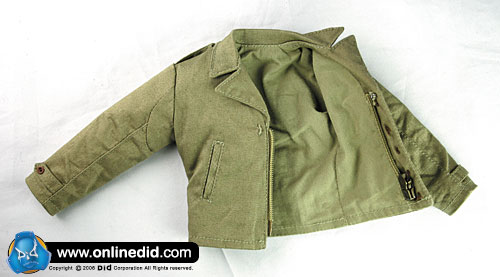
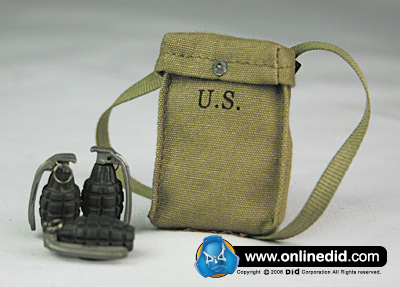
101st Airborne Division
| 2
Mohawk Head Sculpts, one with real hair |
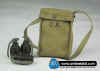
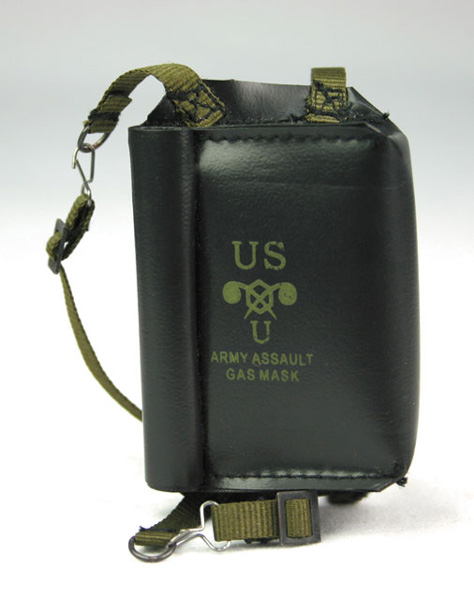
Gas
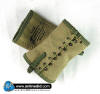
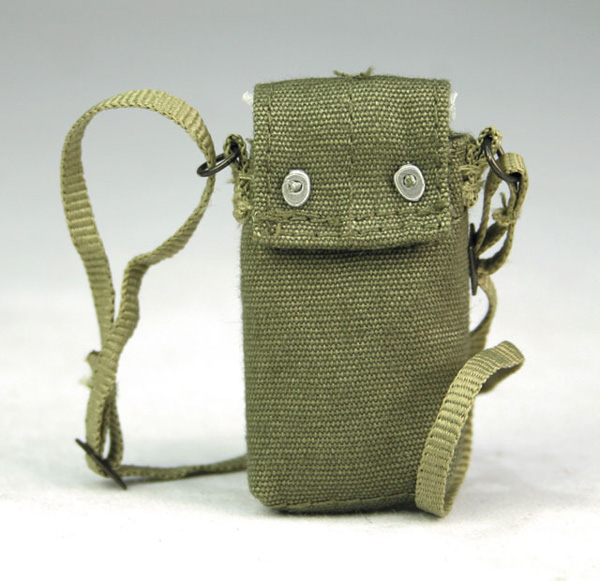
Mask Bag |
| .50
Cal. Ammo Link |
T-5
Parachute |
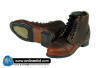
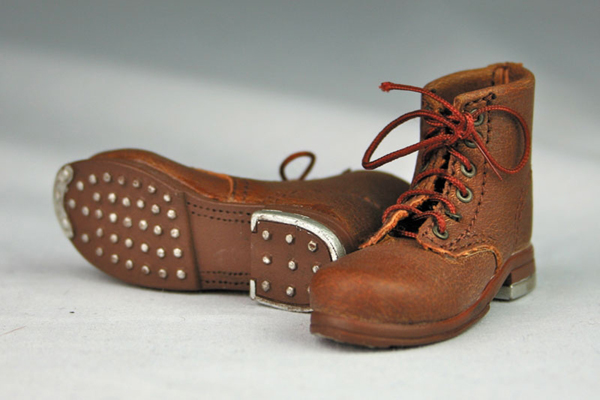
| Buckle
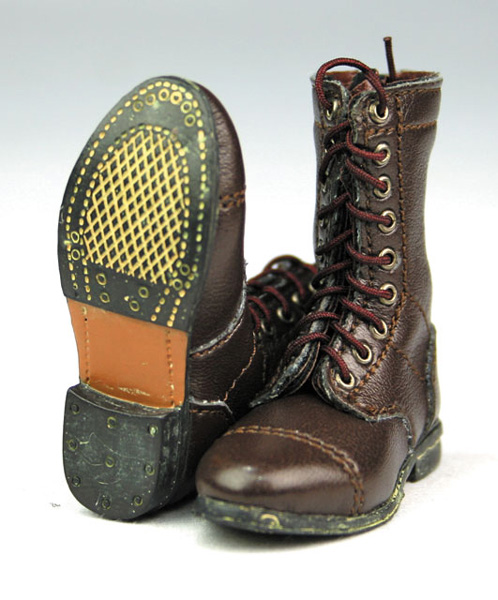
Boots |
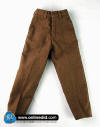
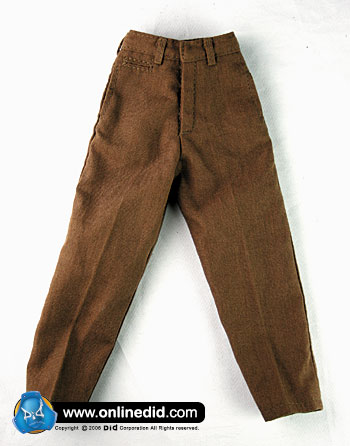
M42
Trousers |
| 101st
patches w/ ranking patches |
First
Aid Pouches |
| Break
down M1 rifle w/ griswold bag |
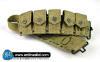
Grenade
3 Pocket Pouches |
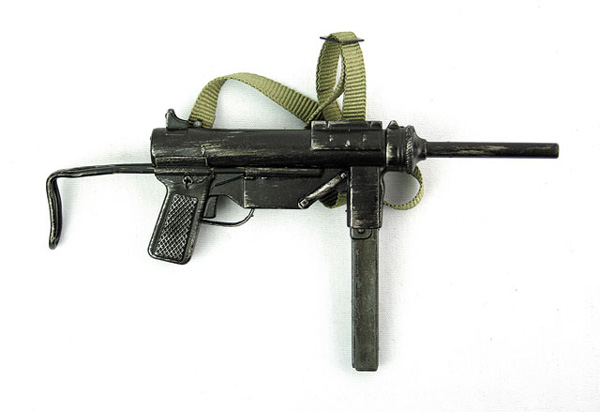
| Thompson
SMG w/ cover |
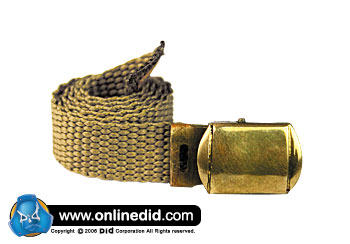
Suspenders
Belt |
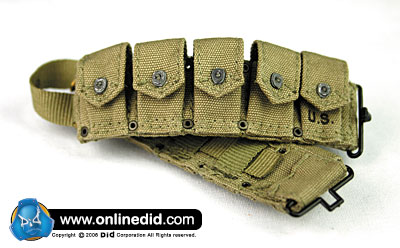
| Two
5 cells Mag pouches |
Pistol
Belt |
| Bayonet |
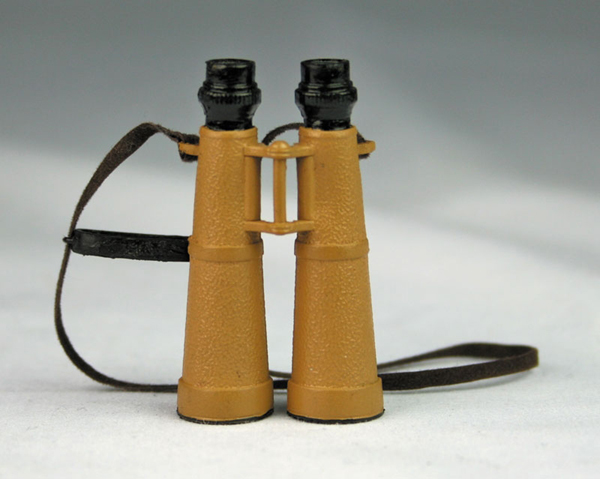
Binoculars
w/ carrying case |
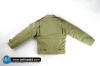
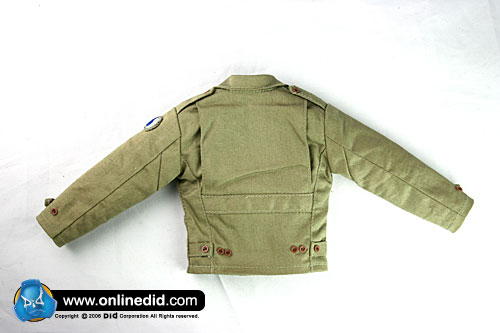
| M42
jump jacket |
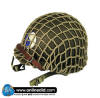
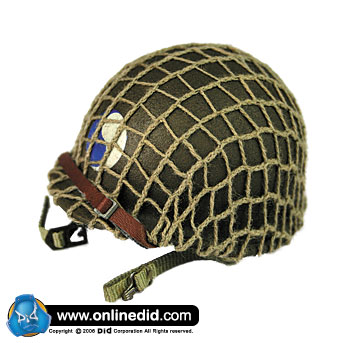
M1C
Helmet w/ netting |
| Cloth
Insignia |
101st
Airborne decals on helmet |
|
$64.95
Sold Out |
| George Puller DID
80034

USMC 1st Marine Regiment
|
$64.95
|
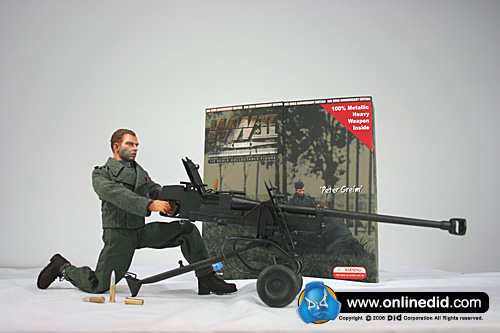
| Peter Greim DID
80032 DID
2006 Anniversary Figure Set
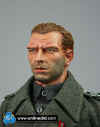
Grossdeutchland Division 16. Kompany
|
$64.95
|
| Josef Wunsche DID
80030
Leibstandarte-SS Adolf
Hitler
|
$64.95
Sold Out |
| Georg Sander DID
80029
6.SS-GEBIRGS-DIVISION
"NORD"
|
$64.95
|
| Richard Schlemm DID
80028

Luftwaffe Infantry
Division
|
$64.95
|
| Bob Miller cc
0014

101st Airborne Division
|
$99.95
|
|